

Across much of the world, conversations about climate-smart agriculture are dominated by models, projections, and policy frameworks. While these tools are valuable, they often overlook a critical factor: the quality and reliability of data captured at ground level.
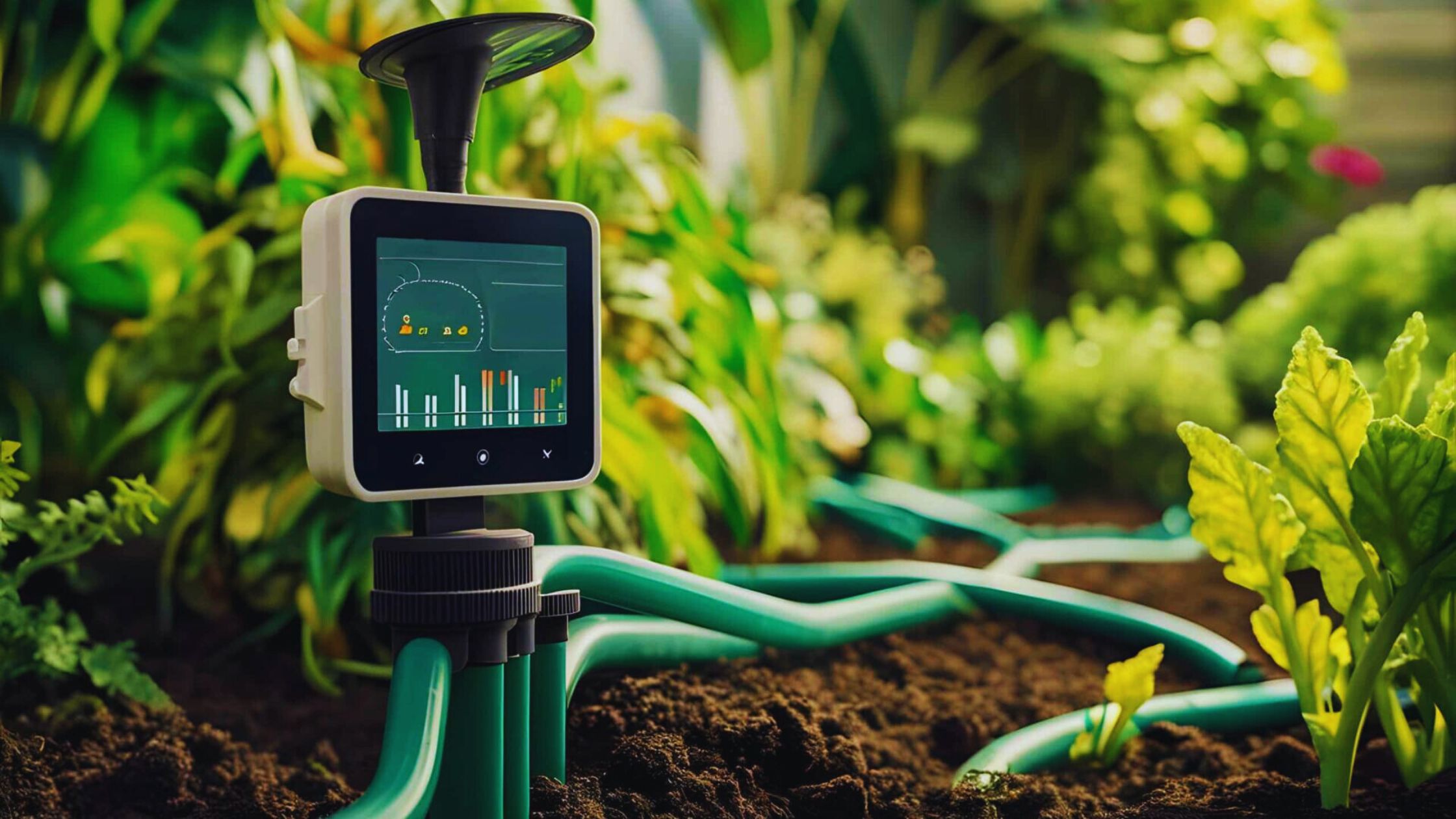
In many agricultural systems, decisions are still made using assumptions rather than verified, real-time information. Soil conditions, moisture levels, crop stress, and post-harvest handling are frequently estimated rather than measured. This gap between theory and reality limits the effectiveness of even the most well-funded interventions.
At Averis Systems, our work is grounded in the belief that resilience begins with visibility. Without accurate, time-bound data from the field, it is impossible to optimize irrigation, predict disease outbreaks, or meaningfully reduce post-harvest losses.
Ground-level data capture changes the equation. When farmers, operators, and institutions can see what is actually happening, not what is assumed to be happening, decisions become more precise, timely, and impactful. This is particularly important in low-connectivity and resource-constrained environments, where delayed or inaccurate data can have cascading effects on yields and livelihoods.
Climate-smart agriculture is not just about advanced analytics or new crop varieties. It is about building systems that work where climate stress is felt most directly: in the soil, in storage facilities, and in day-to-day farm operations.
As climate variability increases, the need for practical, field-ready intelligence systems will only grow. The future of sustainable agriculture depends on closing the gap between the ground and the dashboard.