



Many technology solutions are designed in environments with reliable power, constant connectivity, and controlled conditions. Unfortunately, this does not reflect the reality of where many agricultural and environmental systems operate.
Across rural and peri-urban regions, connectivity is intermittent, infrastructure is limited, and environmental conditions are demanding. Systems that fail to account for these realities often degrade quickly or are abandoned altogether.
Averis Systems was founded on a simple principle: if a system cannot survive the field, it cannot deliver impact.
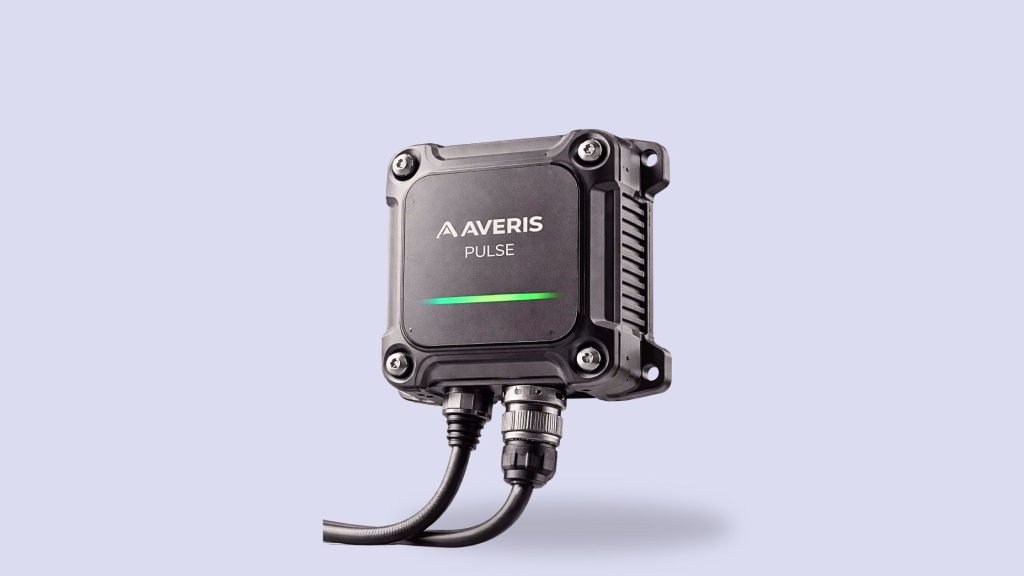
Designing for harsh environments requires a shift in priorities. Durability must take precedence over aesthetics. Local storage and delayed synchronization must replace assumptions of constant connectivity. Maintenance and repair must be considered from the outset, not as afterthoughts.
Equally important is usability. Systems must be understandable and operable by the people who rely on them daily. Complexity that looks impressive in a demo can become a barrier in real-world deployment.
By embracing these constraints rather than ignoring them, technology becomes more inclusive, resilient, and effective. Systems designed for difficult environments tend to perform exceptionally well everywhere else.
As digital infrastructure expands, the temptation will be to design for ideal conditions. The greater opportunity lies in building systems that work reliably even when conditions are far from ideal.